Universe WithinPodcast
Ep. 27 — Tatayo: Iboga, Bwiti & Gabon
2020
✦ The flagship page
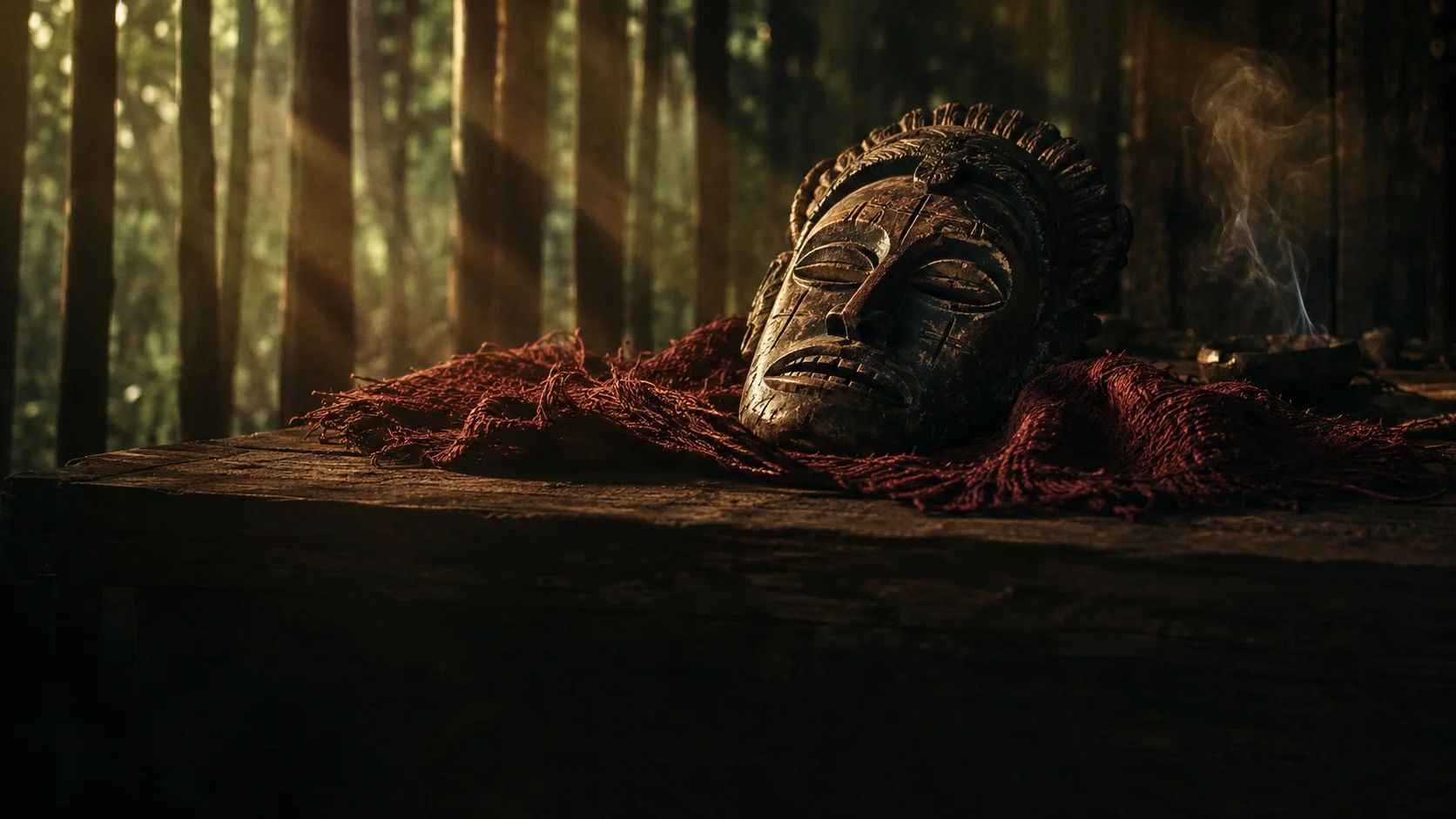
Bwete-Bwiti, a living tradition, passed on among Gabon's peoples over centuries, reaching the Fang at the close of the 19th century and the dawn of the 20th.
The Bwiti stands as one of the most important esoteric traditions of Gabon. The first to experience the power of Iboga were the forest's first peoples; its ritualised practice, blended with the cult of the Ancestors, gave rise to the Bwiti, at the heart of the equatorial forest.
Iboga (Tabernanthe iboga), also called the Sacred Wood, is the initiatory vehicle of the Bwiti. Tonic effects in small quantities, initiatory realisations in larger quantities. Used within a healing process, it is an entheogenic plant — and it is not addictive in itself at all.
The Bwiti stands as one of the most important esoteric traditions of Gabon.
— Organising collective of the LUTO seminar, 2000
The shifts under way today, brought about by the return of a sense of the whole within human societies, of the imaginal and of the sacred, herald in time the birth of a new vision of the human being and of the world. They lead us, in turn, to recognise tradition no longer as a set of past values — and therefore outdated — but, on the contrary, as something that may bring a new meaning to life.
It is vital for our humanity to discover all of this age-old wisdom, which is part of our own cultural heritage. A sound understanding of the role of the so-called esoteric communities matters to everyone. In Gabon, the Bwiti is one of them.
Some observers go so far as to say that “Gabon is to Africa what Tibet is to Asia” — a true spiritual centre of religious initiation.
The purpose of our association, Ebando, is to make these essential heritages better known.
EBOGHÊ is not merely a plant. BWÉTÉ is not merely a rite. Together they form a civilizational, spiritual, cultural and scientific heritage that is part of the very soul of Gabon.
— Tah Mombo
The Bwiti is bound to the essence of each person, in their difference.
— Bwiti tradition
Faced with the wave of Christian-inspired sects and the establishment of Islam in Central Africa, traditional cults still endure, the best known in Gabon being the Bwiti — an initiatory rite whose facets several documentaries have recently revealed to the public (director Jean-Claude Cheyssial, filmmaker and ethnologist, accompanied by Tatayo).
Iboga, the initiatory vehicle of the Bwiti, also called the Sacred Wood, has tonic effects in small quantities and leads to initiatory realisations in larger quantities.
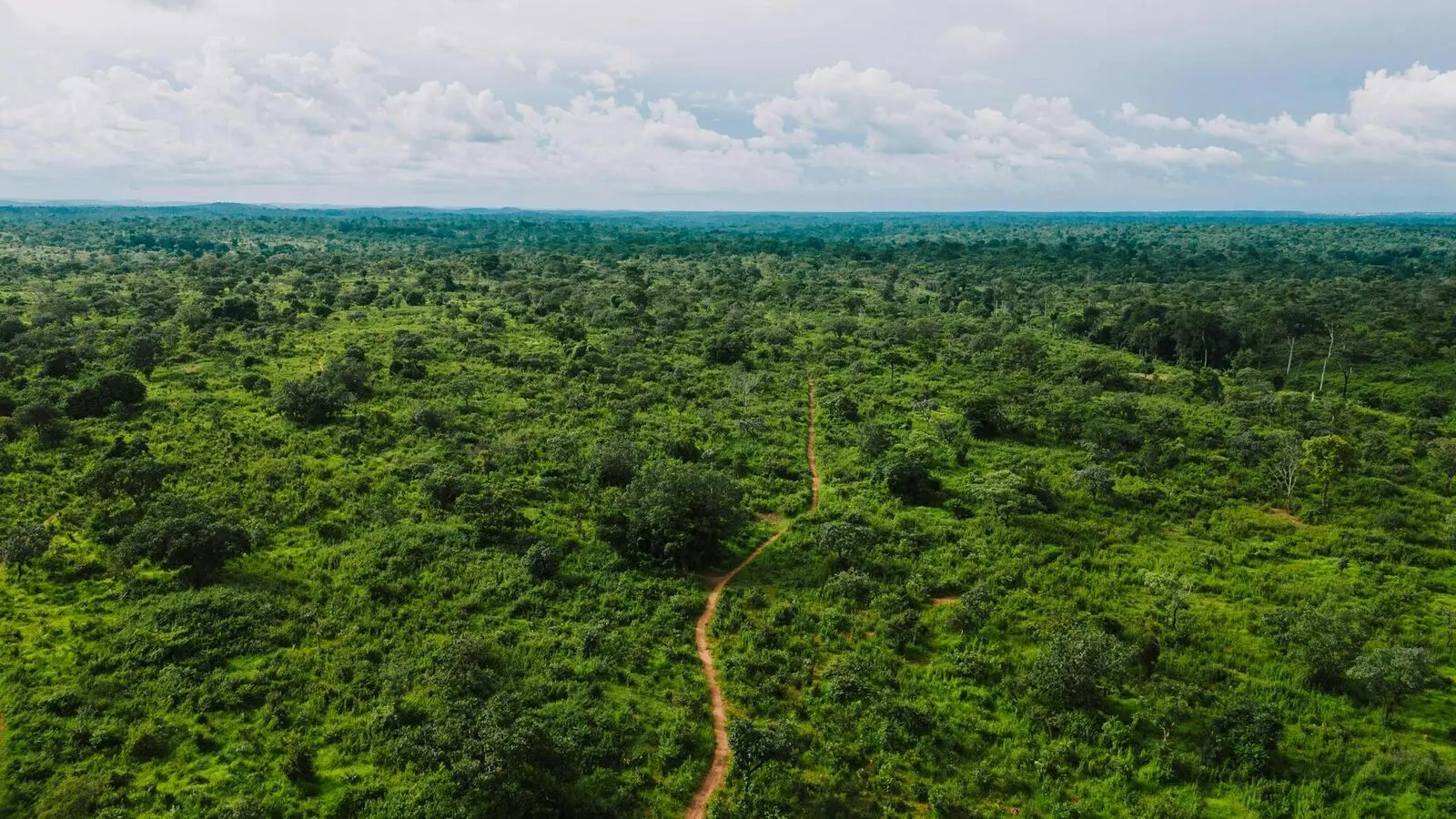
The use of Iboga reaches back to the dawn of time, for the magical shrub already flourished in the shade of the giant trees of the equatorial forest, long before the arrival of the first hunter.
The first to experience its power were the forest peoples, who had observed animals — wild pigs according to some, porcupines or mandrill monkeys according to others — fall into a state of great excitement after eating the roots of the Tabernanthe iboga.
Its ritualised practice then passed from generation to generation, at the heart of the forest and its peoples.
A tangible hypothesis
The origin of the Bwiti seems to have come through the Membè-Meriè linguistic families, thanks to the BaBongo, who are said to have revealed the master plant — Iboga — that lies at the heart of the Rite. On so sensitive a matter, we state this as a supposition, not as an established fact.
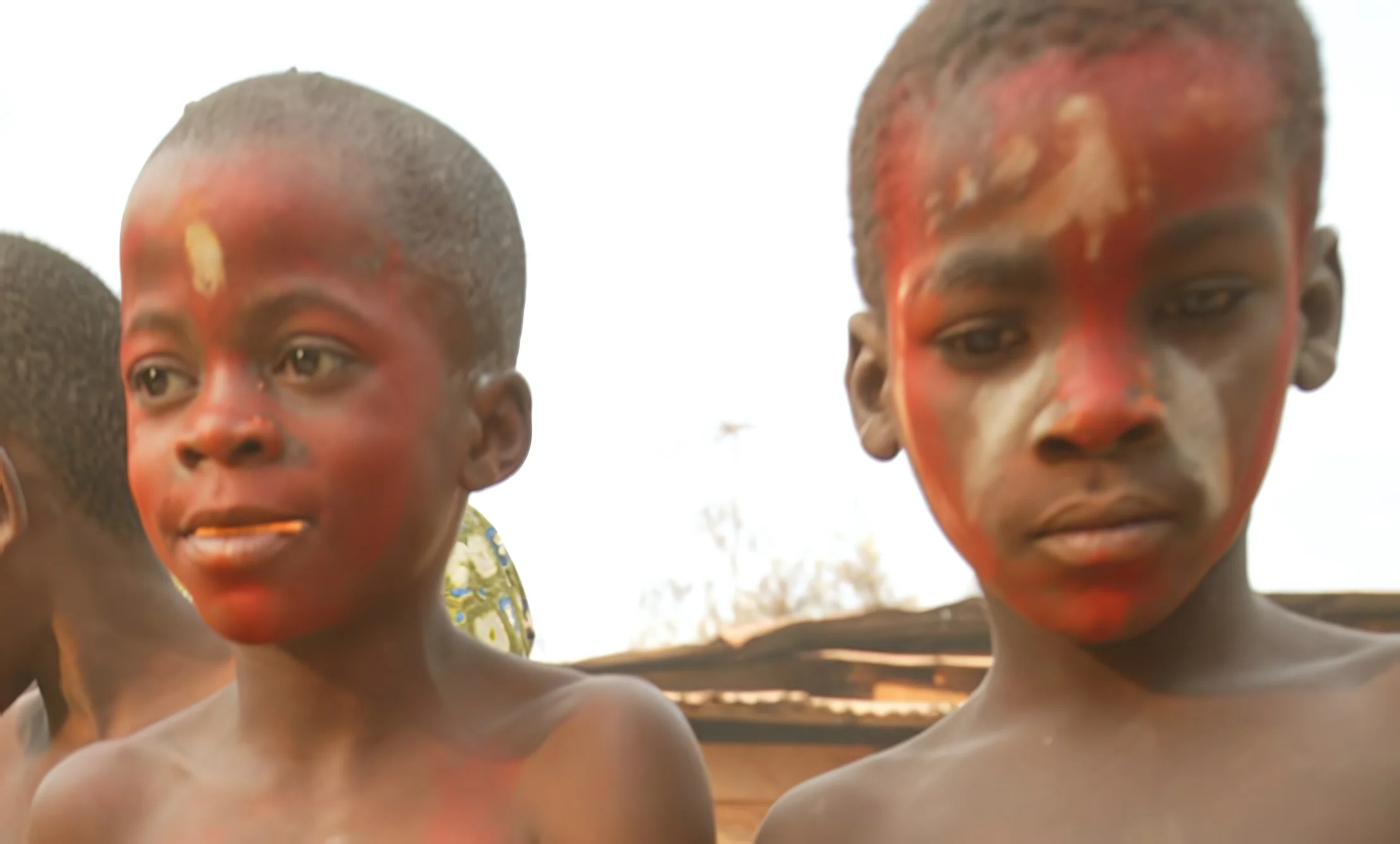
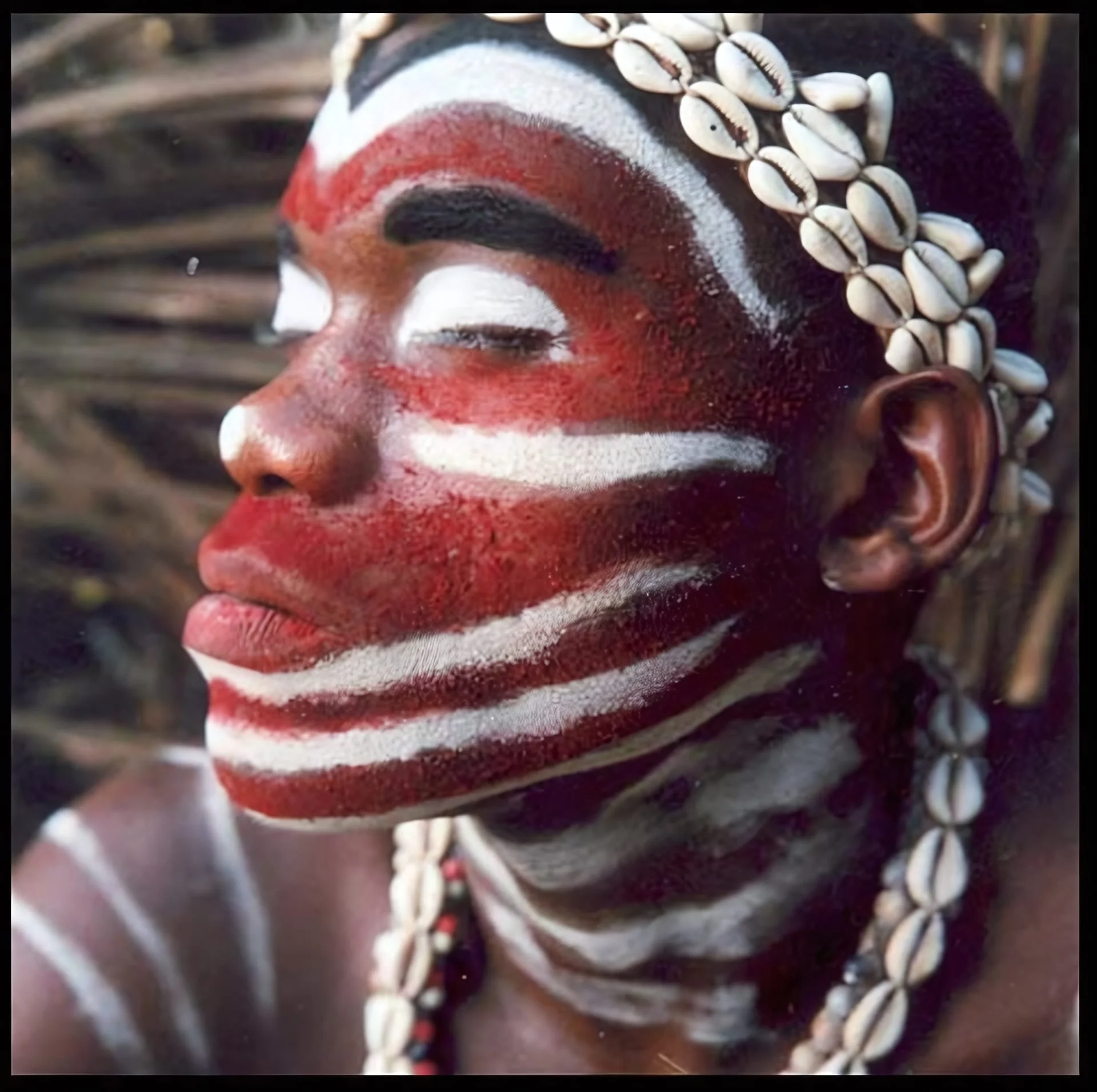
The living tree
“Everything is in nature, and all of nature is in me. We are together.”
— A saying of the first peoples
The purpose of the initiation — which may unfold over several days — is, in particular, to carry the initiate back to the origin of time, reliving the memories of the thousands of generations who came before, buried within their individual memory, a fragment of an immemorial collective memory.
Another purpose is, of course, healing-related: many patients rely on the power of the rite to drive out all kinds of ailments, whether physical, psychosomatic or of a sorcerous origin.
One part of Cheyssial's documentary describes the possible use of the shrub's alkaloid properties in the treatment of withdrawal from drugs — notably heroin and cocaine. According to several experiments conducted by American scientists and followed by the best-known pharmacist in Gabon, Professor Gassita, the strength of Iboga's derivatives — Iboga itself being not at all addictive — makes it possible to swiftly break dependence on hard drugs.
On the actual state of scientific knowledge, its promise as well as its limits, see what the research says about Iboga and ibogaine — and, for a detailed comparison, how iboga compares to ayahuasca.
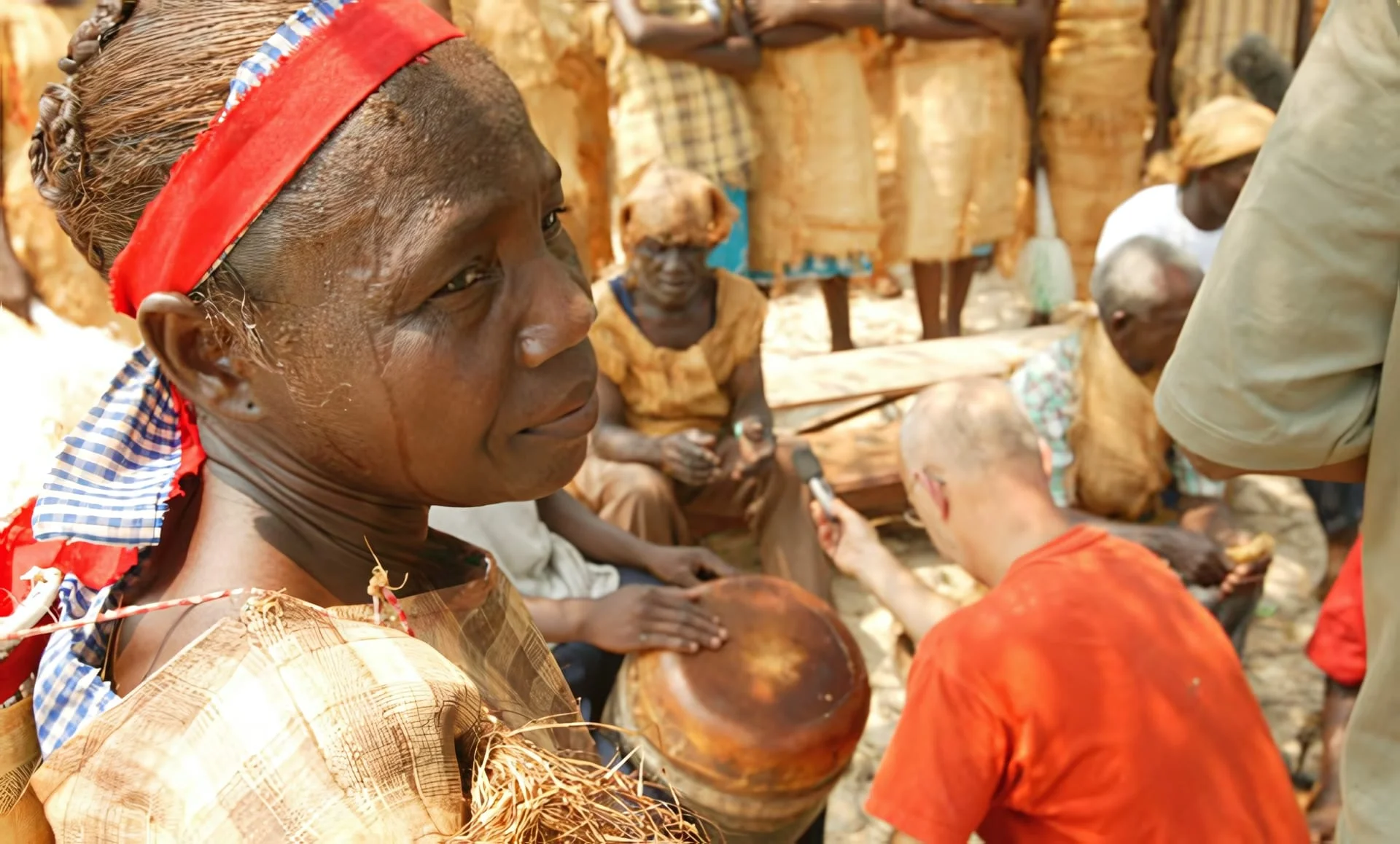
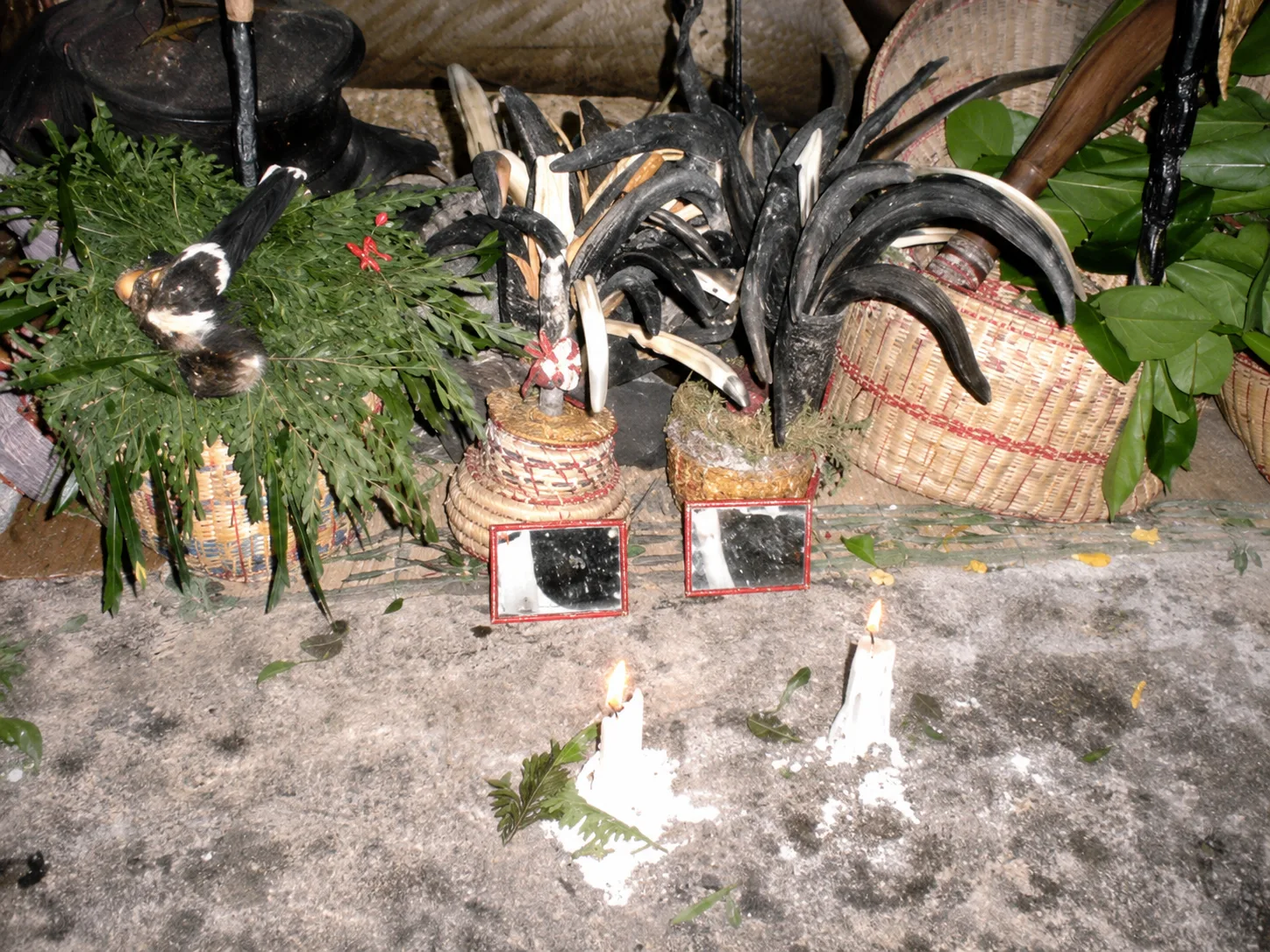
At the heart of the Bwiti
“Everything is in nature, and all of nature is in me. We are together.” — A saying of the first peoples
Iboga, the initiatory vehicle of the Bwiti. The encounter with oneself is lived, it is not told.
If one day you eat Iboga, you will eat the bitter bark of the root of this shrub that grows in the primal forest of Gabon. It has been used by the forest peoples in their rituals of physical and spiritual healing for thousands of years.
This ritual, the Bwiti or cult of the ancestors, is moreover at the origin of the Western therapy known as family constellation. This plant is a precious gift of nature.
The bark is the part of the plant in direct contact with the earth, the membrane that governs the plant's exchanges with the soil. By eating this bark, you reconnect with your own roots. In a way, you reassess and fine-tune your programmes of exchange — inputs and outputs — with the outside world.
The reformatting of your bio-hard-drive is set in motion. Throughout the month that follows, the deep work will continue to unfold.
All of this is lived with an intense feeling of hyper-presence. At no point is it a matter of an artificial paradise — the dreadful bitterness of the wood gives you, in fact, no real wish to return to it.
Iboga takes part in the healing of ills and wounds, from the most physical to the most subtle. By eating the sacred wood, you reclaim all the force of the universe that is within you and within each of us, and you agree to redistribute it without fear of lack.
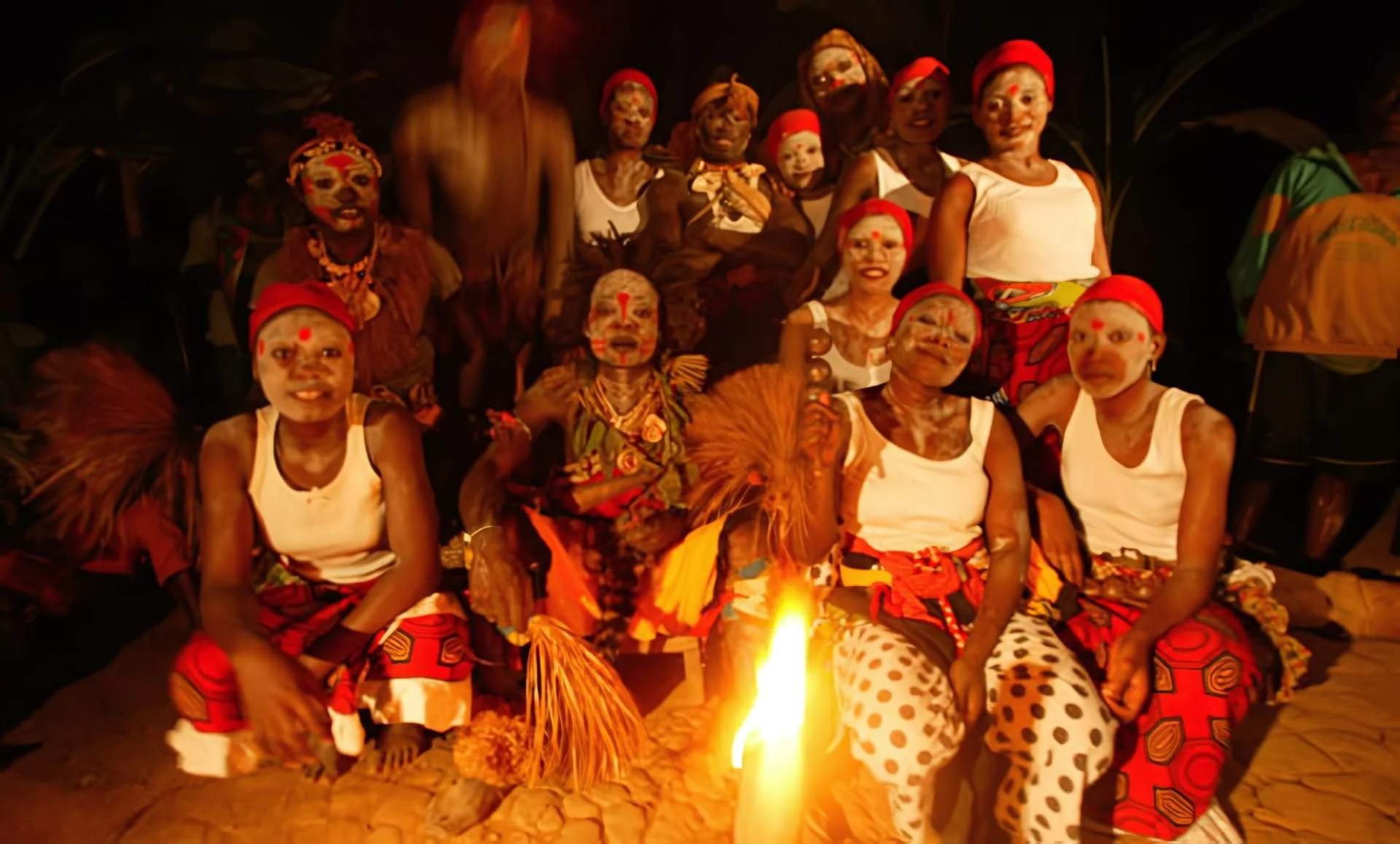
From the cult of the ancestors to the Bwiti
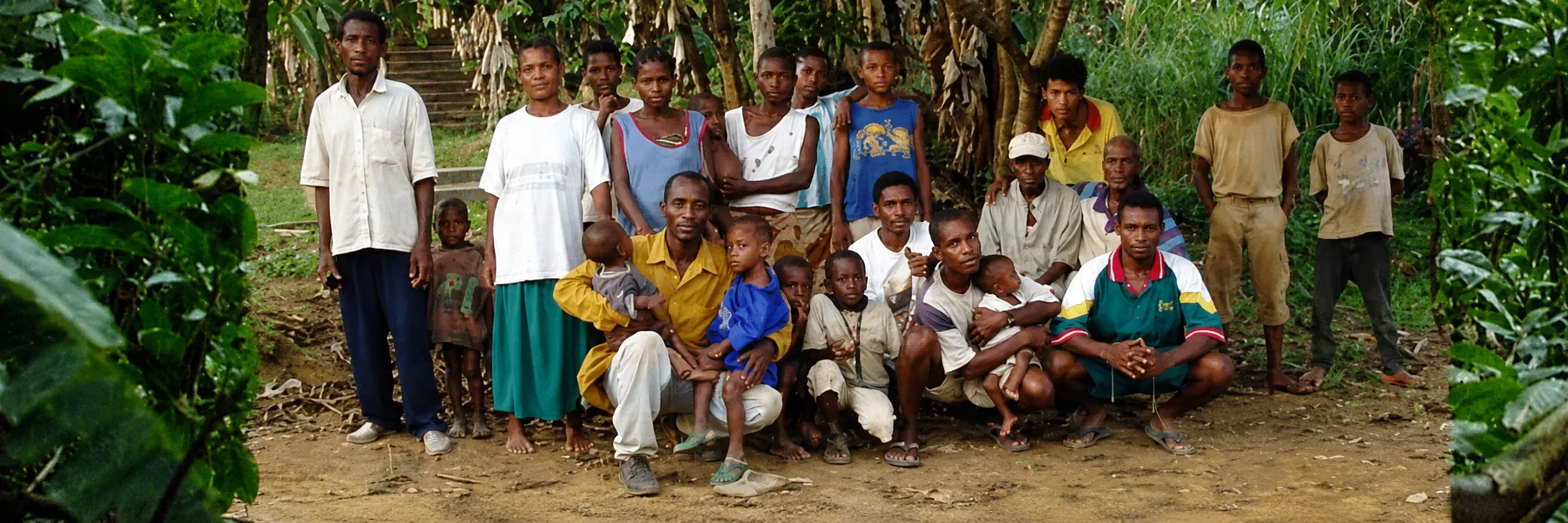
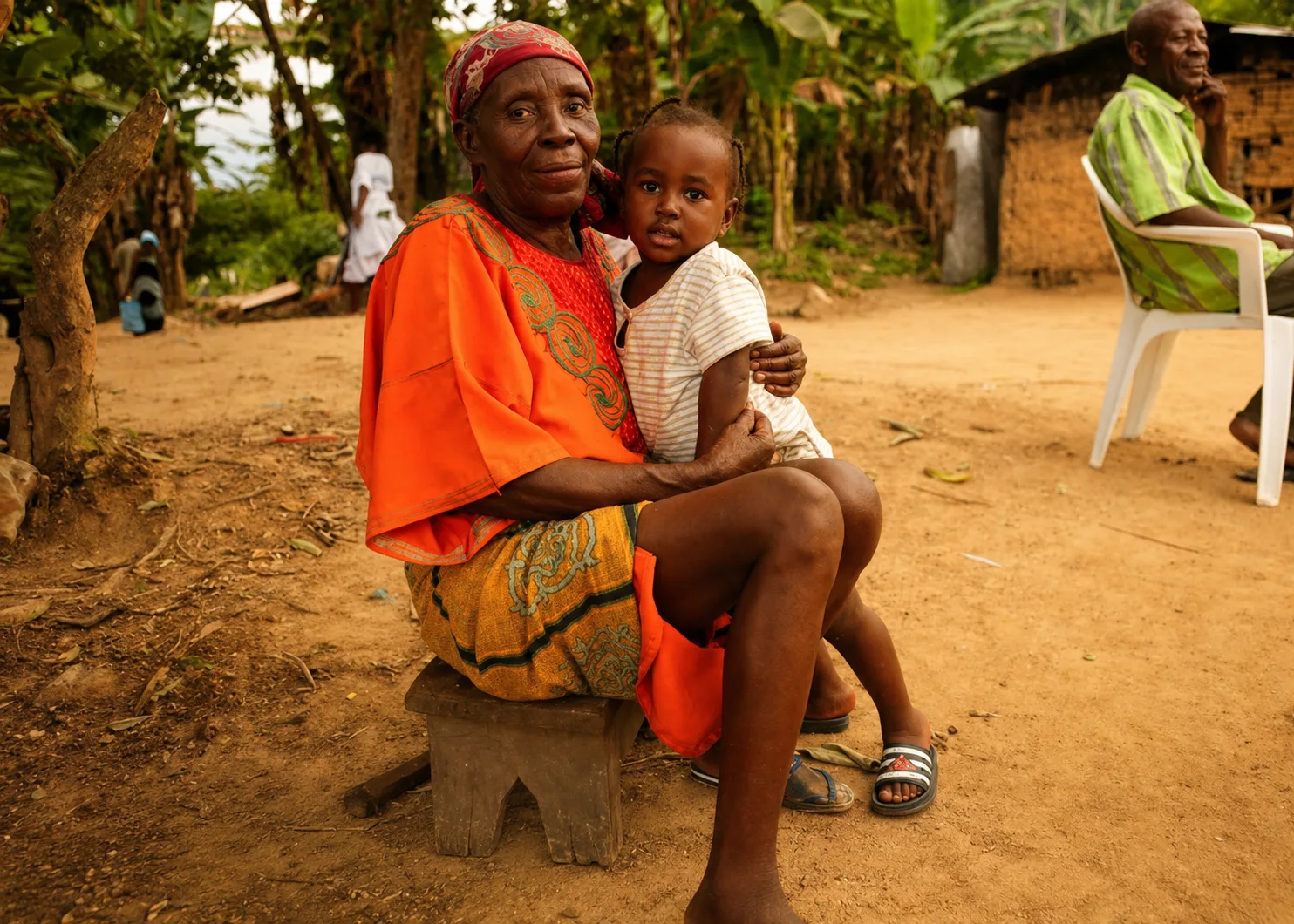
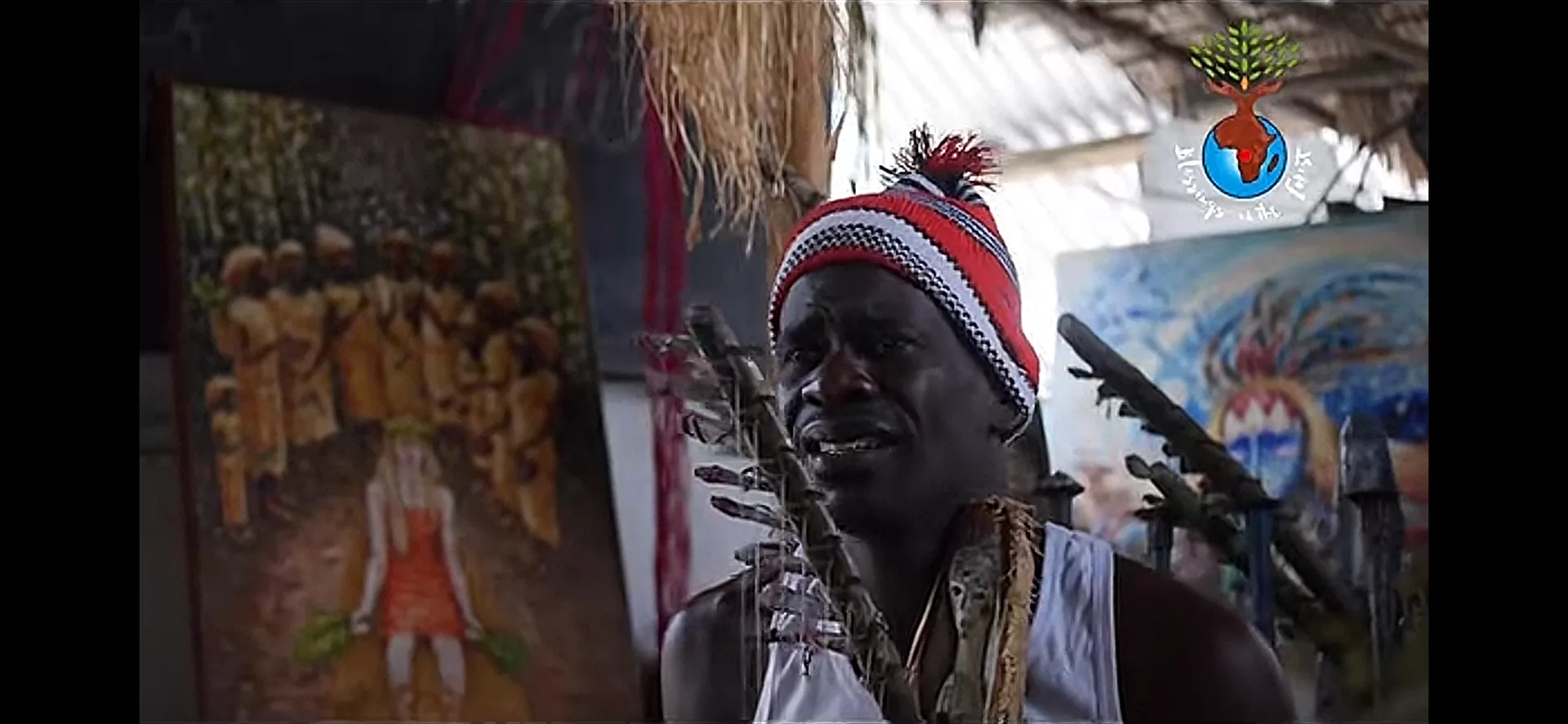
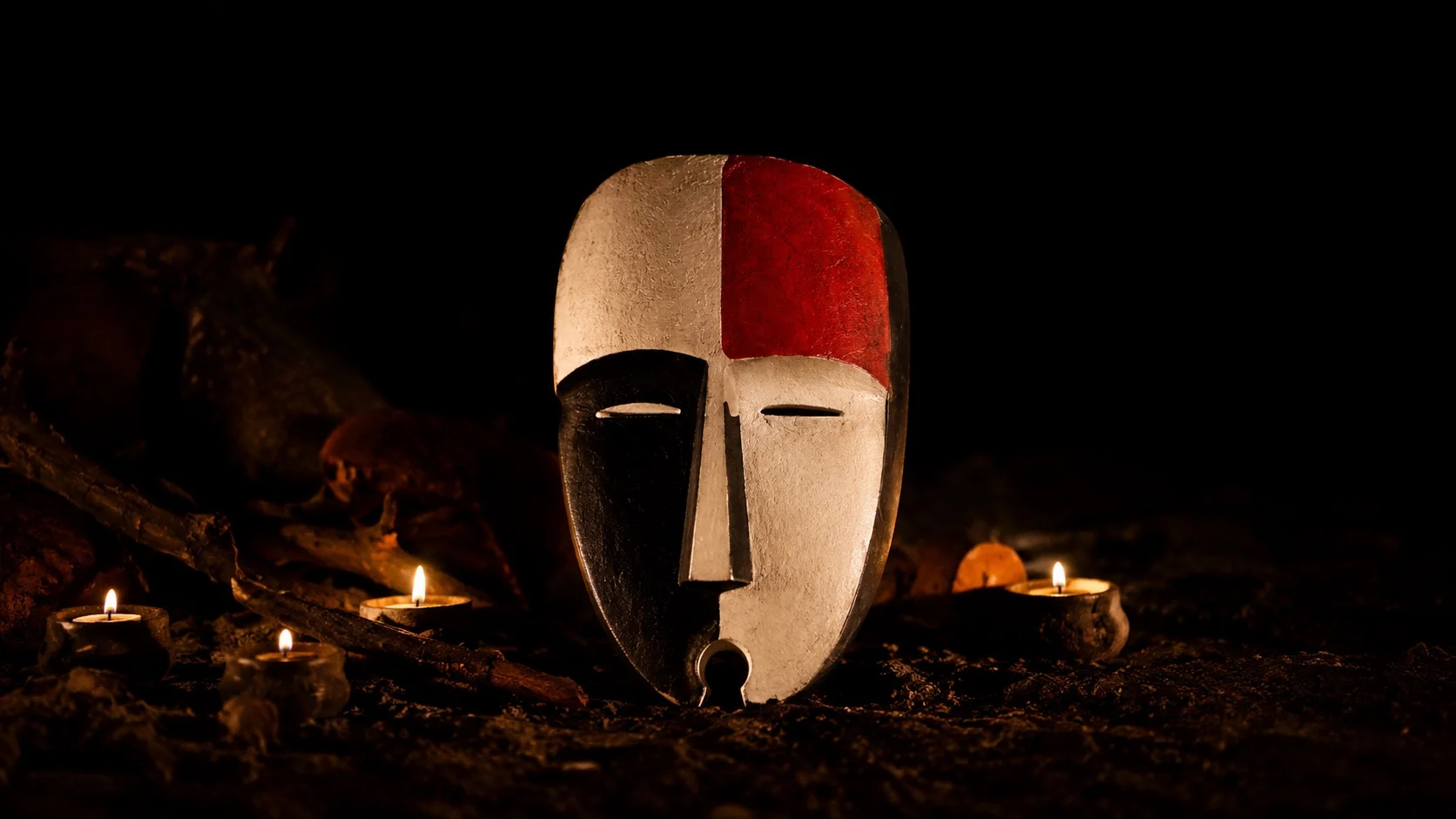
The Bwiti mask
The masks carry a precise function within the ceremony. They are not objects to photograph. They are not souvenirs to take home. They are alive.
The purpose of the initiation, which may unfold over several days, is in particular to carry the initiate back to the origin of time, reliving the memories of the thousands of generations who came before.
— Falang Vaza-Lobo, journalist
This feeling of peace gives rise to:
It is in this energy that deep understanding and lasting transformations can take hold.
The forest peoples also call Iboga the Sacred Wood. But what does it have that is more sacred than any other wood, this Iboga? Iboga, when it is used within a healing process, is an entheogenic plant — one that brings God to you (God being only a manner of speaking; the words Universe, Life, Love would do almost as well).
To eat Iboga is an experience of faith in life. You then gain access to a form of collective memory.
The journey toward healing is not tied solely to eating Iboga, but also to the intention you bring to it and to the conditions in which you eat it.
The “miracle” of your healing therefore also depends on your intention to heal. And it does not necessarily work 100% the first time — you may need one or two further sessions to feel at ease in this new dimension of life.
When you eat the wood, it works within you where it must work, at the right rhythm. Perhaps you will have no vision at all and only physical sensations, at least consciously. Perhaps you will travel journey upon journey. It does not matter — trust.
What matters is that the healing takes place where it must take place. And Iboga sees where you need to heal. And had you seen it before, you would not have come to eat this wood.

The water, the pebbles, the forest — elements of the purification rite
As in Alice in Wonderland, by eating the Sacred Wood you will go to the back of your cupboard — where all your secrets are kept. Agreeing to leave your seat as a dreaming onlooker, opening the secret door at the back of that cupboard, and…
Healing,
happiness
and autonomy.
— Pierre-Kouna
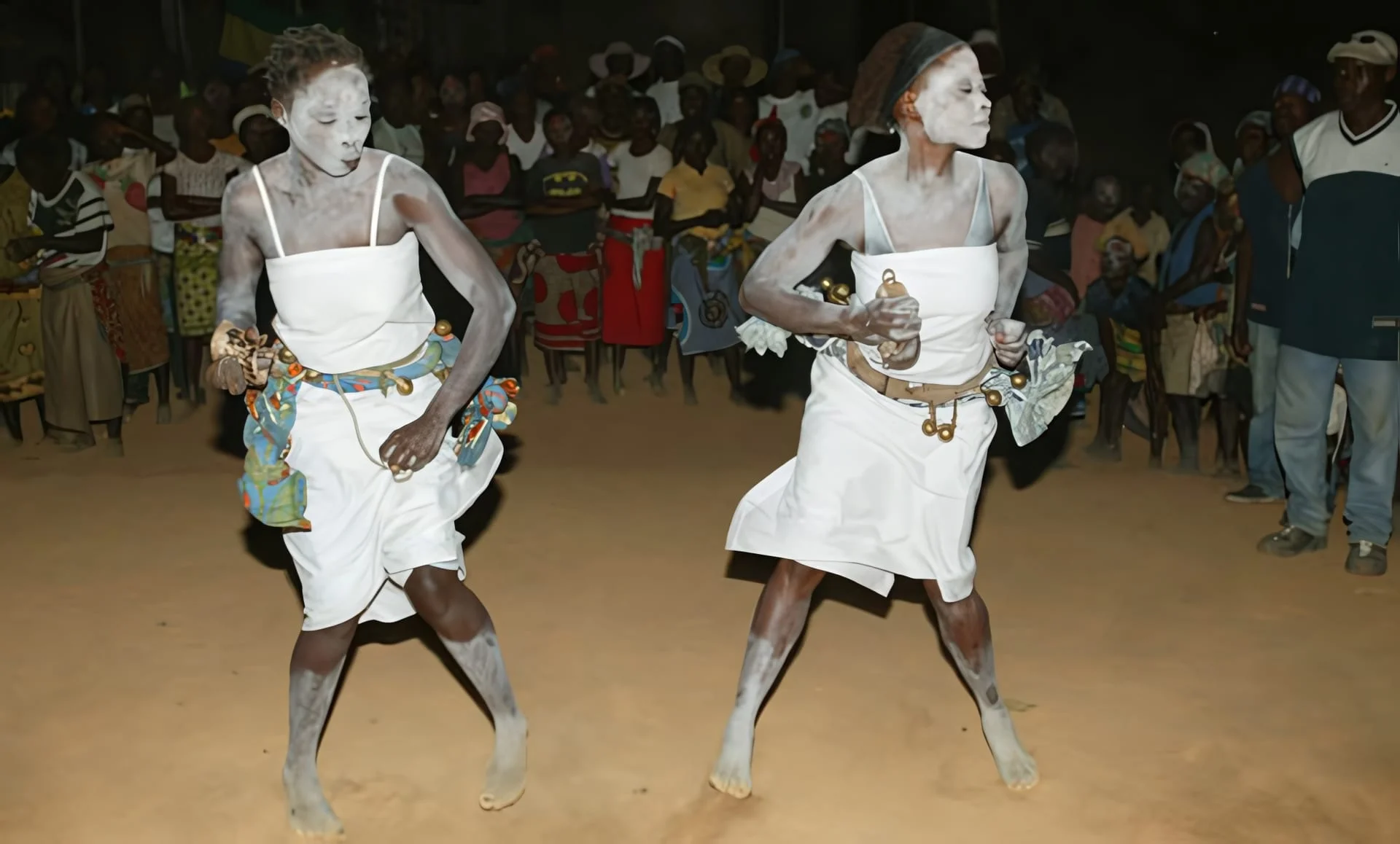
Filming Gabon
An independent documentary filmmaker and ethnologist, Jean-Claude Cheyssial filmed the inside of the Bwiti to show it to the rest of the world, accompanied by Tatayo in his reports. His documentaries remain a precious gateway for anyone who wants to understand the tradition without entering it.
Read his letter of recommendationVoices that speak of it elsewhere
International press, specialist podcasts, reference books. Hover to pause.
Ep. 27 — Tatayo: Iboga, Bwiti & Gabon
2020
Iboga and the Bwiti School of Life — Tatayo
2020
Bwiti: School of Life (online course)
2020
Medicine Man — Dr. Deandrea visits Tatayo
2010
Iboga, a sacred plant of Gabon
2025
Gabon — the next drug tourism destination
2017
L'Iboga, le bois sacré (book)
Paroles d'un enfant du Bwiti (book)
Two traditions, one transmission
The Fang Dissumba Bwiti comes from the Fang peoples of northern Gabon. The Missoko-Ngondey na Dipuma (Simba school) Bwiti comes from the Akèlè (Simba) of the centre. Each has its chants, its rhythms, its masks, its cosmogony.
Tatayo is initiated in both. This dual transmission is rare. It allows Ebando to hold a position of reference, carried collectively by the transmitters present.
Ebando is one of the places of transmission of the Bwiti and Iboga in Gabon. The association accompanies each visit within a setting respectful of the The initiatory tradition of the Fang people, in northern Gabon. Hugues Obiang Poitevin (Tatayo) was initiated into it in 1979, the first white man received in this lineage. and Bwiti tradition of central Gabon (Akèlè / Simba). Tatayo was initiated into it in 1994, in the Ngondey na Dipuma lineage. traditions, with a trained and experienced local team.
Our approach:
Level 2
2010 version — 3,201 words, words preserved, layout re-done.
The numbered sections above reproduce in full the words of Ebando's historical text, restructured into sections, with paragraphs shortened for screen reading. No word has been added, none has been removed.
To view the original rendering as it existed in 2010 on the historical site, follow the archive link below.
Historical note: 2 external links flagged as dead in the audit (julienbonhomme.ethno.free.fr, a specific jstor.org page) are not being reactivated.
To go further